- HERR OBER
- Posts
- The analysis I wish I had.
The analysis I wish I had.
When something is happening in your life - a situation with an investor, a relationship going sideways, a negotiation you can't read - most of us do one of two things.
We call a friend. Or we open ChatGPT.
I've done both. And I was never satisfied with what came back. The friends tell you what you want to hear. That's what friends are for. The AI gives you something that sounds considered but is ultimately warm, hedging, careful not to offend. It asks how you're feeling. It validates your perspective.
That's not what I needed.
I kept asking it to be harder on me. To challenge me. To be critical. To stop softening the edges and just tell me what was actually happening. It would try for one response, then drift back into warmth. Into reassurance.
I remembered something from studying behavioural economics at Harvard Business School. The science of how people actually behave ( not how they say they behave, not how they intend to behave ) is brutal and precise. Kahneman on loss aversion. Munger on the latticework of mental models. Cialdini on influence. Taleb on asymmetric risk. These people spent careers documenting exactly how human dynamics work and exactly how they go wrong.
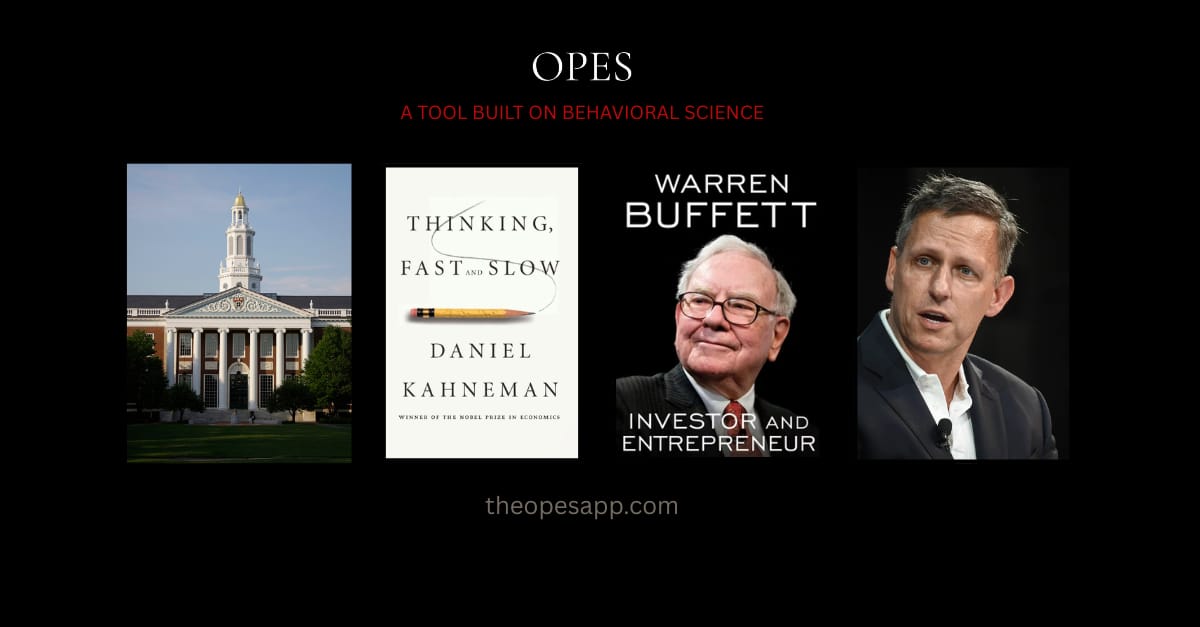
I started wondering: what if a piece of code brought all of that together? Not one framework. All of them. What would they collectively say about your situation? What would the cold, precise, uncomfortably accurate read look like?
"They know exactly what they are doing. The ambiguity is not confusion , it is strategy."
That's a line from the first OPES output I ever ran on a real situation. My own situation. I read it and sat with it for a few minutes. It was right. I already knew it was right. The problem was I hadn't let myself say it that clearly.
That is how OPES was born.
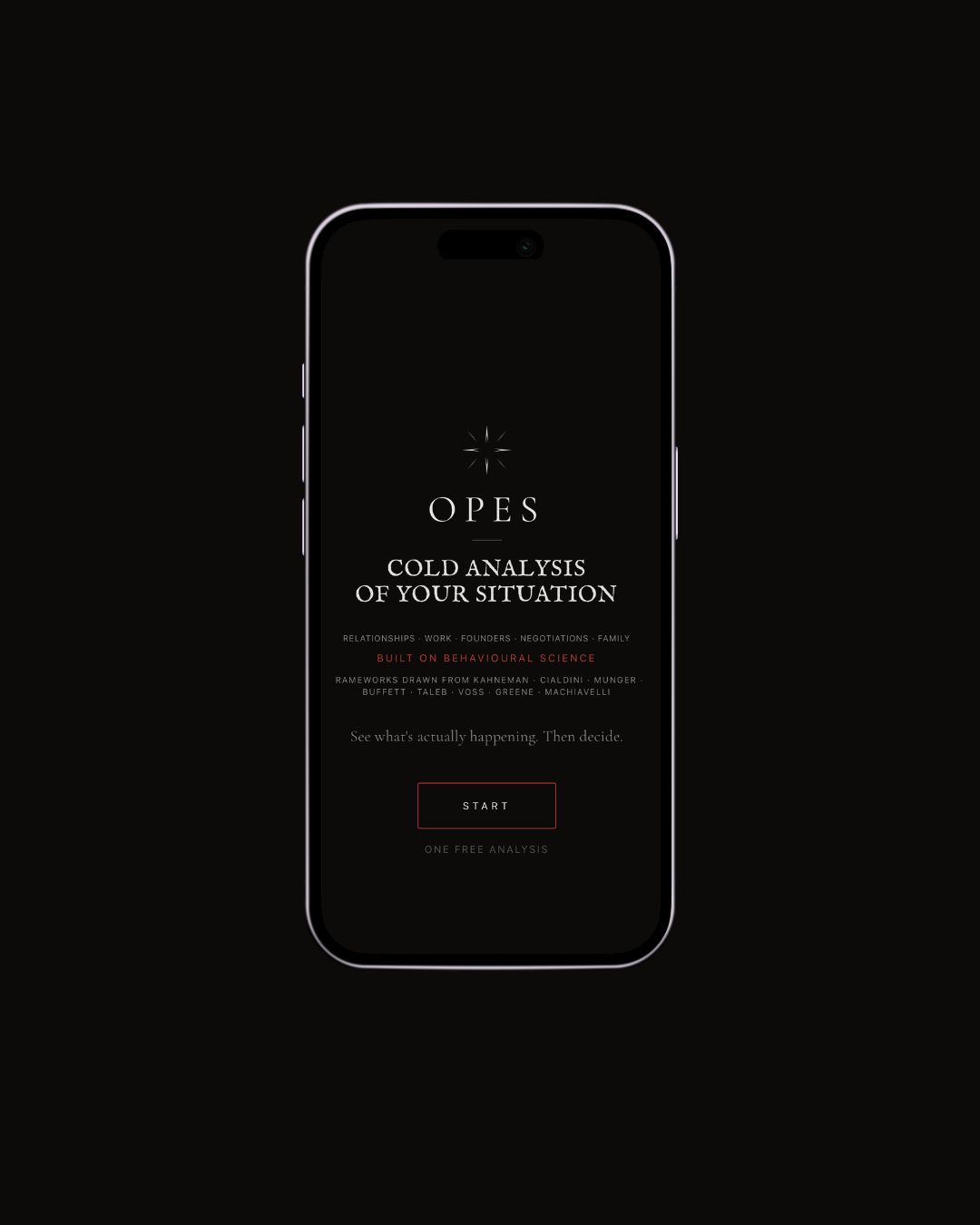
One tool. Five modes. Describe any situation: a relationship dynamic, a co-founder conflict, a negotiation, a family confrontation, a workplace power struggle. OPES returns a cold analysis of what is actually happening, the behavioural mechanism behind it, and exactly what to do next.
The analytical engine draws from Kahneman, Munger, Buffett, Cialdini, Taleb, Greene, and Machiavelli simultaneously. It is not one lens. It is the latticework: the same approach Munger used to build one of the most durable investment records in history, applied to the human dynamics most of us navigate every day without a framework.
I want to know if it gets your situation right.
The first analysis is free. Quick sign-up, no card required. Describe something real (something you're actually in the middle of ) and see what comes back.
Then reply to this email and tell me one thing: was it accurate? That's the only feedback I need right now.

Follow HERR OBER on Instagram : @herrobercity